


I remember a Friday night where nothing was on fire and I still couldn’t shut my brain off. No incident channel. No angry customer thread. Just the quiet after a decision I’d approved that afternoon: a reorg that cleaned up an org chart, reduced confusion, and made the roadmap look tidy. It also moved people onto work they didn’t want, pulled teams away from a problem they’d poured themselves into, and stretched managers past what they’d been doing. The decision was defensible. It also had weight.
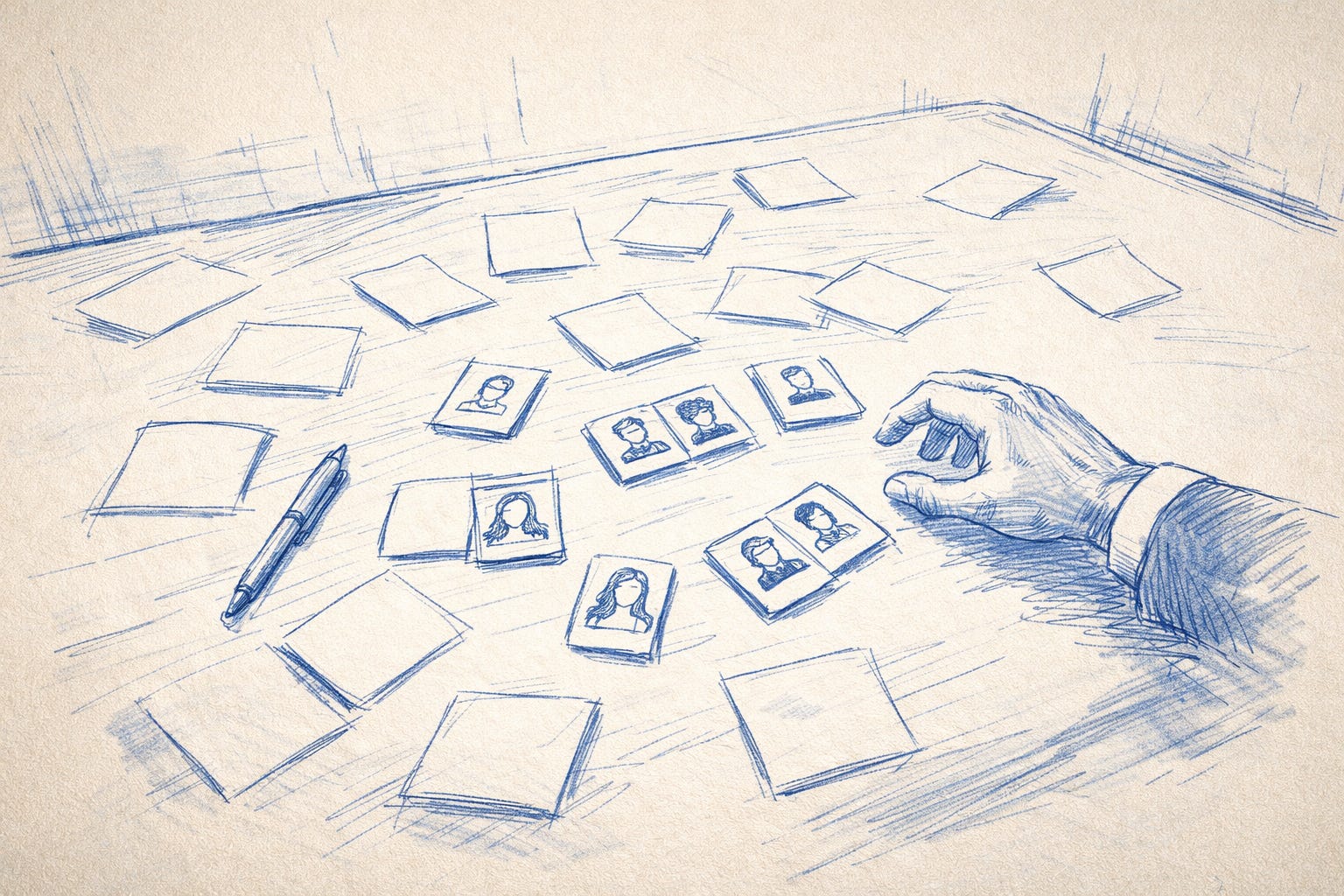
Ethics in leadership usually shows up like that. It rarely arrives as a big red button with a clear label. It’s the slow accumulation of choices that sound rational in the meeting and feel personal when you’re alone. Over time you learn that “can I sleep at night?” has less to do with whether you can explain yourself and more to do with whether you’d accept the same outcome if you were on the receiving end, with the information and power that person actually had.
Earlier in my career I treated ethics as a set of guardrails: don’t lie, don’t cheat, don’t break the law. That keeps you out of obvious trouble. The harder part sits in the gray zones, where incentives are loud, timelines are tight, and every option has a cost. That’s where leaders quietly teach their teams what counts as acceptable collateral.
I’ve watched smart leaders create miserable environments without ever raising their voice. It happens through normalization. One person behaves badly and keeps getting a pass because they ship. A team lives in constant on-call pain because “we’ll deal with it next quarter.” Heroics get praised so often that the only way to be seen is to carry an unhealthy load. These choices don’t show up in the quarterly deck right away. They show up later in who speaks in meetings, who stops taking risks, and who leaves when they’re tired of paying for decisions they didn’t get to influence.
Pressure plays a big role here. In many organizations, pressure gets treated like weather: unfortunate, unavoidable, nobody’s fault. In practice, pressure has sources. Sometimes the source is real and external: a regulatory date, a contractual commitment, a safety risk, a cash runway that forces hard calls. Other times the source is internal: vague promises, overloaded portfolios, leaders who keep saying yes in public and pushing the cost down the stack in private. When I started tracing pressure back to where it came from, I found more room to choose than I liked admitting. Once you see that, it gets harder to justify handing the bill to people who can’t push back.
The same ethical tension shows up in what we ship. In regulated industries you get trained to think about safety, privacy, and audit trails as part of the job. That helps. It can also create a false comfort, because compliance doesn’t answer every question a leader should care about. I’ve sat in product reviews where the debate looked technical, but the stakes were human. Defaults that quietly change what gets shared. Data collection that starts as convenience and turns into temptation. A frictionless flow that boosts completion while increasing mistakes for someone stressed or tired. In the moment, those decisions feel like UX trade-offs. At scale, they become incentives that shape behavior.
When I’ve regretted a product decision, the root cause often looked like “we followed the metric.” Metrics matter, and they also have gravity. If the organization celebrates growth above everything else, teams will keep finding ways to pull attention harder. If revenue is the only win that counts, it gets easier to treat struggling customers as acceptable fallout. If speed dominates, risk gets shipped and the team calls it progress. Nobody wakes up intending harm. People wake up trying to hit the number, keep the work funded, and avoid being labeled the one who slowed things down.
So I began doing a simple private check before big calls, especially when the room was pushing for speed. I’d write down who carries the cost if we’re wrong, in plain language. I’d think about the engineer who gets paged at 2 a.m. because we accepted known failure modes. I’d think about the support team that absorbs confusion we could have prevented. I’d think about the end user who doesn’t realize the trade-off until it bites them. Then I’d ask myself whether the people paying had meaningful choice. That one question changes the bar for what “good enough” means.
People decisions demand the same discipline, because leadership gives you power that feels ordinary while you’re holding it. Your opinion becomes direction even when you’re thinking out loud. Your mood bleeds into the room. A casual comment you forget by Tuesday can shape how someone sees their future. People react to that because you hold things they care about: opportunity, stability, recognition, a decent week. When leaders forget that, they start making choices that feel efficient to them and costly to everyone else.
One pattern I had to correct in myself was letting ambiguity sit because directness felt uncomfortable. It’s easy to delay a hard conversation by keeping things vague, by using soft language, by telling yourself you’re buying time. The person on the other end spends that time trying to read between the lines, guessing what’s safe, guessing where they stand, guessing what you meant. That drains energy and trust. When I learned to be clear earlier, outcomes didn’t become painless, but they became fairer. People could respond with agency instead of trying to decode me.
Ethics in leadership doesn’t come with permanent certainty. You’re often choosing between imperfect options with partial information. The habit that keeps me grounded is staying honest about the costs and resisting the urge to hide behind “the business” as if it were a separate creature making decisions on my behalf. If I’m asking someone else to absorb pain, I owe them clarity about why, what we’re doing to reduce it, and what would make us change course.
I still have nights where a decision sits heavy. I don’t treat that as a sign of failure. I treat it as a signal: something is out of alignment, either with my values or with the story I’m telling myself to make a hard choice feel clean. The job isn’t to lead without discomfort but keep decisions human when incentives try to sand that off.